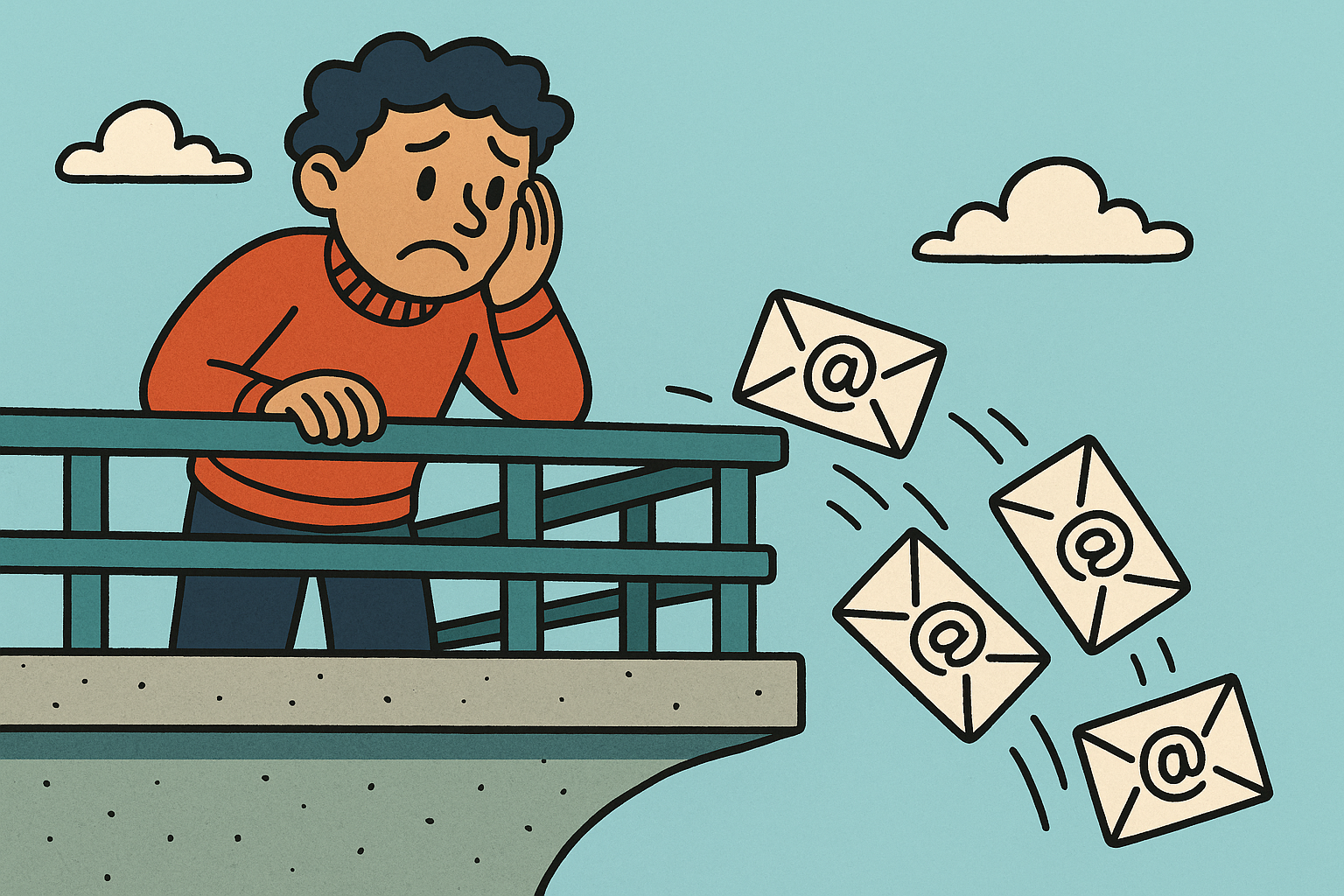
Let’s be honest: building an email list from scratch the right way can feel like trying to scale a mountain in flip-flops. Slow. Tedious. Maybe a little painful. And when your inbox is bursting with unsolicited emails from brands you’ve never heard of, it’s tempting to think, “Well, if they do it, why shouldn’t I?” Cue the age-old wisdom of moms everywhere: If your friends jumped off a bridge, would you do it too?
The truth is, mimicking those shady list-building tactics won’t just land you in hot water — it’ll torpedo your sender reputation, alienate your audience, and waste a whole lot of marketing dollars.
But here’s the good news: when you build your list ethically, you make a highly engaged audience that’s interested in what you have to say. And that’s where the magic (and the ROI) happens.
What Exactly is the “Right” Way?
The best way to grow an email marketing list is refreshingly straightforward: earn it.
Forget shortcuts and bots — we’re talking about the classic, respectable methods of offering value in exchange for permission.
Think:
- A clear, visible sign-up form on your website inviting visitors to subscribe for updates.
- Collecting email addresses at trade shows or live events (from people you talked to).
- Sharing genuinely helpful content (like ebooks, white papers, templates, or webinars) and gating it behind an email signup.
In short, it’s the inbound marketing way: attract, engage, convert. You're offering something useful, and in return, your audience opts in — knowingly, willingly, and with actual interest in your brand. This not only sets the foundation for a more engaged list but also ensures compliance with data privacy laws. And that’s a win-win.
So, What Shouldn't I Do?
Here’s where things get sticky: buying or scraping email lists.
Sure, purchasing a list is technically legal. But using it to send marketing emails? That’s a different story. If you didn’t get explicit permission from someone to contact them — and let’s be honest, scraping their LinkedIn or harvesting their info from a conference list doesn’t count — you’re wading into unethical (and possibly illegal) territory.
And here's the kicker: people who didn’t choose to be on your list aren’t likely to engage. They’re far more likely to unsubscribe or mark you as spam, especially in today’s inbox environment.
Enter the Yahoogle Update (yes, that's a real thing). Both Google and Yahoo now penalize senders with high spam complaint and unsubscribe rates.
This can:
- Tank your sender reputation, trust me, we have seen it happen.
- Send your emails straight to the spam folder.
- Or worse — get your sending domain blocked.
And once you’re there? Climbing back out is like trying to unburn toast. It requires a massive investment of time, money, and effort — and it’s often not worth the damage done.
Oh, and let's not forget: using someone's email address without their consent isn't just a faux pas — it's a violation of data privacy laws, such as GDPR, CASL, and CCPA. These laws consider an email address personal information. Housing that data without consent is a regulatory landmine. Always use GDPR-compliant language, obtain consent, and be transparent about what you’re sending and why.
Long Live The King! (Content)
Yes, we know. You’re sick of hearing that “content is king.” But we’ll say it anyway — because it still reigns supreme.
Content is your magnet.
It’s what draws people in, earns their trust, and gives them a reason to say, “Sure, send me your emails.” It’s also the backbone of SEO — and now that AI tools are rapidly becoming the gatekeepers of search, creating content that answers fundamental questions is your ticket to visibility.
Here’s how to make it work for email:
- Offer valuable content (think checklists, toolkits, guides).
- Ask only for an email address to start.
- Utilize automated nurture campaigns to provide value consistently.
- Gradually gate deeper content behind small profile asks — job title, industry, pain points — so you can build out buyer personas over time.
It’s the long game. But it builds a solid, scalable list of subscribers who are primed for conversion. No spam traps, no shady tactics. Just high-value content exchanged for informed consent.
In Conclusion, Play the Long Game
Let’s face it: businesses invest thousands into email platforms, automation tools, and design — only to ruin it by sending emails to people who never wanted them in the first place.
Buying lists might seem like a quick fix, but it’s a waste of budget, a compliance risk, and a surefire way to tank your sender reputation. You’ll end up paying even more in the long run — not just in fines, but in lost opportunities when your domain gets blacklisted or your campaigns fall flat.
Building a clean list from scratch takes patience, intention, and consistent effort. But if you do it right, you’ll have a loyal audience that opens, clicks, and converts. So ditch the bridge jumpers, and stick to the ethical path — your ROI will thank you.



 Call Us